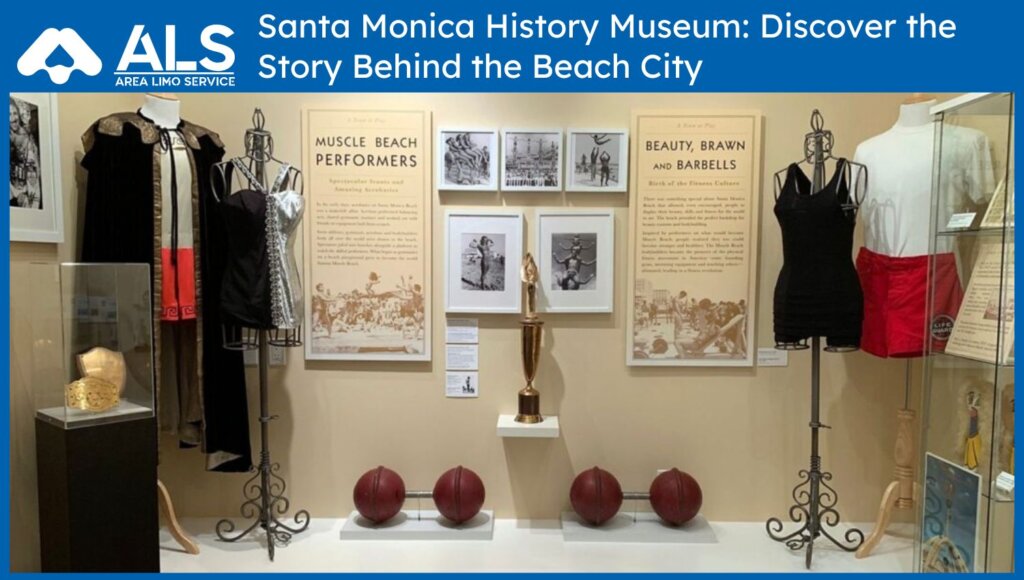
Santa Monica History Museum is a non-profit organisation that aims to gather, maintain, and distribute the rich history and diverse culture of the Santa Monica Bay Area. It is located in downtown Santa Monica at 7th Street, next to the Santa Monica Main Library. It was established in 1975 in the centennial celebration of the city and was transformed into a formal museum in 1988. It was later transferred to its permanent residence, which was donated by the city in 2010. It has a central exhibition space and a number of galleries displaying over one million objects, including more than 600,000 rare photographs and archives of the Santa Monica Outlook Newspaper. The permanent and rotating exhibitions enable visitors to learn about the indigenous Tongva people, the history of the Broadway neighbourhood’s development, and the history of housing in Santa Monica, while engaging in various activities such as educational workshops, school tours, lectures, and special events.
What Can You See & Do at the Santa Monica History Museum?
Here are the five best things to see and do at the Santa Monica History Museum:
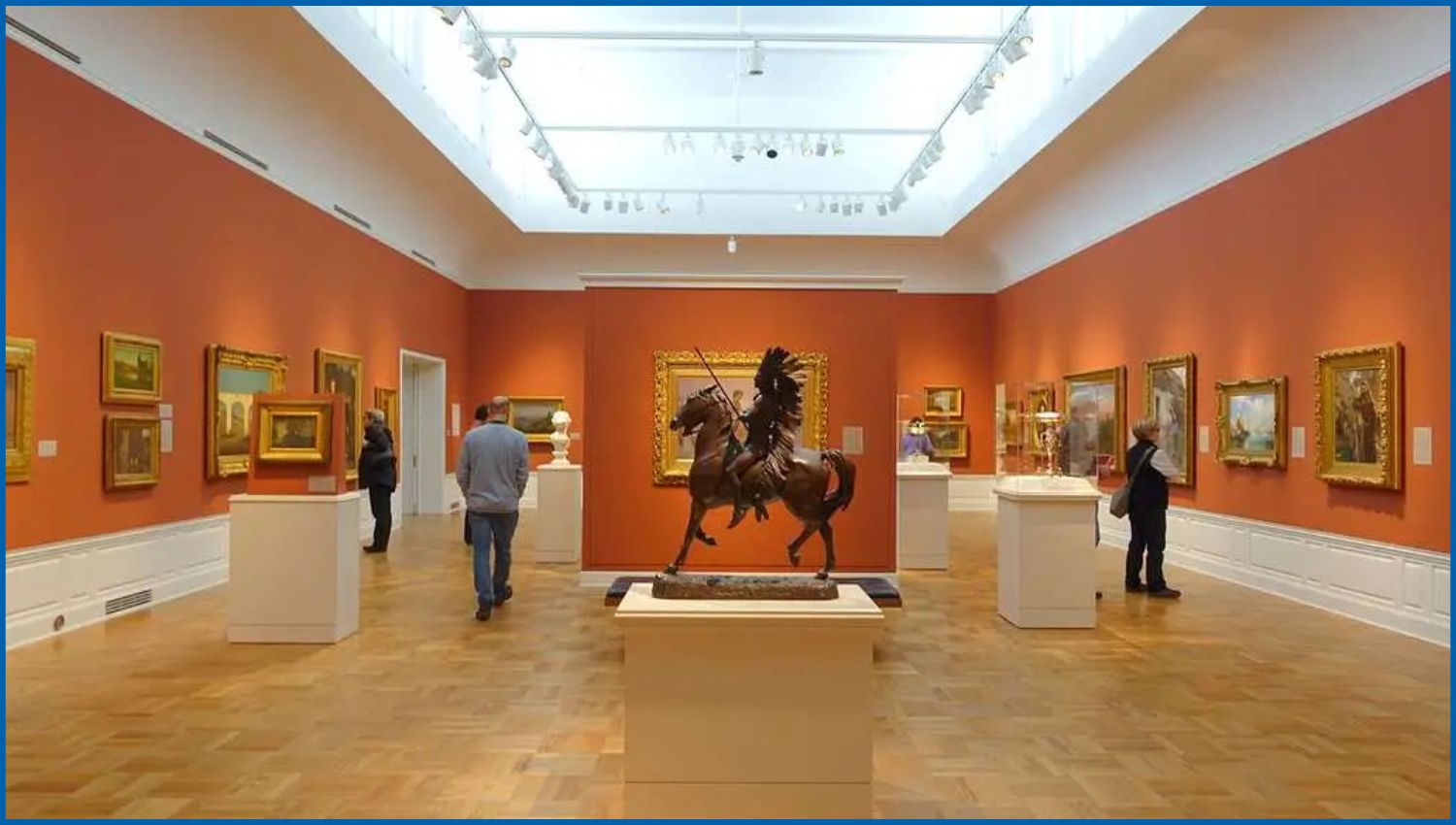
- Explore Permanent Exhibits: The primary galleries of the museum portray the history of Santa Monica, including its origin as an Indigenous place and its development as a beach town and a cultural centre. There is the ability to view items, photographs, and exhibits that reflect various periods, providing the viewer with a clear picture of the past of the city.
- Visit Rotating Special Exhibitions: The museum has temporary exhibitions which look into the subject of local architecture, social history, art and environmental themes. These rotating exhibitions also bring about new experiences and new insights every time they are visited.
- Discover the Marion Davies Collection: It is a collection of the life and legacy of actress Marion Davies, including photos, narratives, and historical background on the impact of her wealth on the culture and architecture of Santa Monica, but her original estate has been demolished.
- Interactive & Kid-Friendly Activities: Families and children take part in practical workshops, craft activities and guided tours that are intended to make the process of learning more enjoyable and interesting. It provides information about the past of the museum to children.
- Research & Archives Centre (Appointment-Based): The museum has archives which include rare books, newspapers, maps and hundreds of thousands of historic photographs which are of interest to those who want to do more research in history. Special collections are open to visitors through booking appointments.
How to Get to the Santa Monica History Museum?
Here are the six best ways to go to the Santa Monica History Museum:
- By Metro (Recommended): Metro Expo Line (E Line) has its station in Downtown Santa Monica. It is a short 10-15-minute walk westward along Colorado Avenue or adjacent streets to get to the museum. This is convenient to the visitors, and it prevents the inconvenience of traffic and parking.
- By Bus: The museum is served by several routes of the Big Blue Buses and some of the LA Metro buses. Once off, you have an opportunity for a brief walk on the Downtown Santa Monica streets, which provide you with an opportunity to visit the local shops and cafes on your way.
- By Car: It is easy to drive to the museum, and it has paid parking lots close to it, and there are metered street parking areas. The exit is 4th Street off the I-10 freeway, onto the west. Getting there by automobile enables you to make a visit to other local attractions in Santa Monica.
- By Limo Service: With a personal car or limousine service Los Angeles, visitors enjoy a comfortable door-to-door visit. Drivers pick you up at the entrance of the museum, and this is very convenient in the case of groups or families with little children.
- By Bike/Scooter: Santa Monica is highly cycling and scootering friendly, having its own lanes and rentals. You take a ride to the museum and leave your bike or scooter at the nearby racks, where you have a fun and active way of exploring the city, and you do not have to worry about parking issues.
- By Walking: When you are staying near downtown Santa Monica, the museum easily reached within the 3rd street promenade, the Santa Monica Place or the pier location. Pedestrian allows you to explore the city streetscape and its local shopping in between.
What are the ticket prices and opening hours?
The Santa Monica History Museum is open on Thursday from 2:00 PM to 5:00 PM, on Friday and Saturday, and on Sunday from 11:00 AM to 5:00 PM. General visitors are charged $5, but kids under 17 years old, students, seniors (65 years and over), active duty military or veterans, SNAP/EBT card holders and museum members have free admission. Every first Sunday of the month is free of cost for all.
Where to Eat & Drink Near the Santa Monica History Museum?
Here are the five best eating places near the Santa Monica History Museum:
- Casual Cafés: Casual Cafés are best for having breakfast or a light lunch, like Blue Daisy. They offer crepes (sweet and savoury), yoghurt with berries and chia seeds (Greek Bowl), and zucchini hash browns. Their drinks menu has fresh squash juices, speciality lattes, Turkish-style espresso beverages, and matcha.
- Family-Friendly Restaurants: It is a community-friendly place, steps away and downtown in Santa Monica. Its menu has burgers (grass-fed beef), a fried chicken sandwich, a miso short-rib wrap and tacos of swordfish. They also possess 20 taps of craft beer, cider, kombucha and good wine. It’s the best place to visit with families or groups.
- Healthy & Organic Spots: The Curious Palate is suitable as a healthy restaurant due to its high emphasis on fresh, sustainable and locally sourced foods. They also focus on farm-to-table cuisine and make use of natural and local produce.
- Upscale Dining: Edgemar is a sophisticated and elegant establishment that serves globally inspired foods in a Frank Gehry-designed environment. The menu is a mix of Asian and European cuisines like chilli mushroom noodles, Scottish salmon with a yuzu ponzu glaze, or a smoked lamb shoulder with flatbread.
- Dessert & Ice Cream Shops: It is not right across the street, but it is possible to easily walk to the dessert establishments in downtown Santa Monica following a visit to a museum. As an illustration, Sweet Rose Creamery (located right next to Main Street) is popular among people because of its ice cream that is produced using high-quality and seasonal products.
Is the Santa Monica History Museum Worth Visiting?
Yes, the Santa Monica History Museum is really worth a visit, in case you want to study local history, architecture or city development. It is a small, vibrant experience with its permanent exhibits that follow the history of Santa Monica, including the lives of Indigenous communities and how it became a beachside cultural centre. It is the rotating exhibitions that make things new, and the Marion Davies collection is an interesting insight into the glamorous past of the city. The research library is a little-known secret among history lovers or students doing research, and it provides photographs, maps, and other historical documents. It is conveniently situated in the downtown area, which helps to blend with other attractions in Santa Monica, and the low cost of admission makes it highly accessible.